
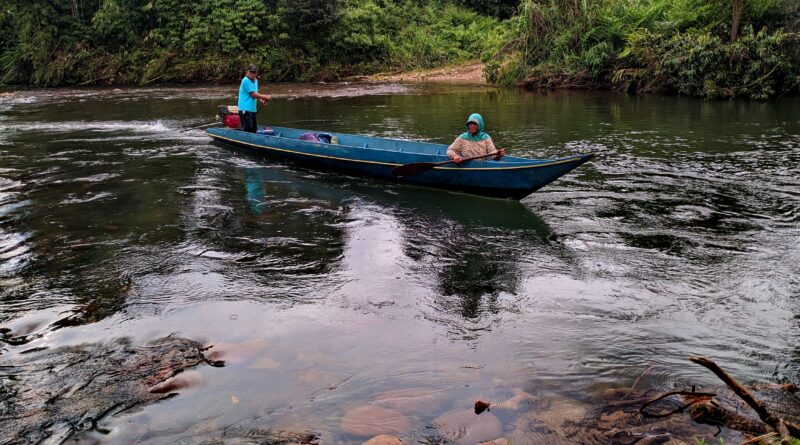
Borneo Travel Guide: Everything You Need to Know
Planning a journey to Borneo? Discover when to visit, how to get there, where to go and how to explore one of the world’s most extraordinary islands.
Borneo is the world’s third-largest island, shared by Malaysia, Indonesia and Brunei. From tropical islands and ancient rainforests to remarkable wildlife and remote mountain landscapes, it offers an exceptional variety of travel experiences.
Whether you’re planning a wildlife holiday, a diving adventure, a cultural journey or an expedition into the interior, this guide covers the essentials.
Where to Go in Borneo
Sabah — Wildlife, Mountains and Islands
Sabah, in Malaysian Borneo, is particularly known for its wildlife, Mount Kinabalu and exceptional diving.
Highlights: Kinabatangan River, Sepilok Orangutan Rehabilitation Centre, Danum Valley, Mount Kinabalu, Semporna and Sipadan.
Main gateway: Kota Kinabalu.
Best for: Wildlife encounters, diving, adventure and rainforest lodges.
Sarawak — Rainforests, Caves and Culture
Sarawak combines vast rainforest landscapes with distinctive cultural traditions, historic towns and some of Southeast Asia’s most impressive caves.
Highlights: Kuching, Bako National Park, Gunung Mulu National Park, Niah Caves, traditional longhouses and the Batang Rejang river.
Main gateways: Kuching and Miri.
Best for: Culture, rainforest exploration, caves and river journeys.
Brunei — Heritage and Pristine Rainforest
Brunei offers an interesting contrast between royal heritage, traditional water villages and protected tropical forests.
Highlights: Bandar Seri Begawan, Kampong Ayer, Omar Ali Saifuddien Mosque and Ulu Temburong National Park.
Main gateway: Bandar Seri Begawan.
Best for: Cultural experiences, architecture and rainforest excursions.
Kalimantan — The Less-Explored Borneo
Indonesian Borneo occupies most of the island and offers extensive rivers, remote forests, traditional communities and developing adventure destinations.
Highlights: Tanjung Puting National Park, Derawan Islands, Mahakam River, Dayak cultural experiences and the rainforest interior.
Main gateways: Balikpapan, Pontianak and other regional airports, depending on the destination.
Best for: River expeditions, orangutan encounters, remote adventures and lesser-visited destinations.
When Is the Best Time to Visit Borneo?
Borneo has a tropical climate, with warm temperatures, high humidity and rainfall throughout the year. There is no single ideal season for the entire island.
March to October: Often a favourable period for outdoor activities in many parts of Sabah and Sarawak, although conditions vary considerably.
November to February: Generally wetter in many coastal and rainforest areas, particularly western Sarawak. Travel remains possible, but heavy rain can affect excursions and transport.
Wildlife: Orangutans, proboscis monkeys and other animals can be encountered throughout the year. Sightings are never guaranteed.
Diving: Conditions vary by location. Check seasonal sea conditions and marine park access before travelling.
Travel tip: Borneo’s climate varies between regions. Plan around your specific destinations rather than relying on an island-wide forecast.
Getting to Borneo
Most international visitors arrive by air, often connecting through Kuala Lumpur, Singapore or another regional hub.
The main airports include:
Kota Kinabalu (BKI): Sabah’s principal international gateway.
Kuching (KCH): Main gateway to southern Sarawak.
Miri (MYY): Convenient for northern Sarawak and connections towards Mulu.
Bandar Seri Begawan (BWN): Brunei’s international airport.
Balikpapan (BPN) and Pontianak (PNK): Important gateways to Indonesian Kalimantan.
Sandakan and Tawau are useful for reaching Sabah’s eastern wildlife and diving destinations.
For itineraries involving several regions, domestic and regional flights can save considerable travel time.
Getting Around Borneo
Borneo is much larger than many visitors expect. Travelling between destinations can take time, particularly when crossing mountains, rainforests or international borders.
Domestic flights: Often the most practical option for travelling between distant destinations.
Buses and road transport: Useful between major towns and cities. Road journeys can be long.
Car rental: Offers flexibility in accessible areas of Sabah and Sarawak.
Riverboats: Essential or particularly rewarding in parts of Kalimantan and Sarawak.
Guided transfers and 4WD vehicles: Recommended for some remote rainforest lodges and interior destinations.
Important: Crossing between Malaysia, Brunei and Indonesia involves separate immigration requirements. Check border procedures and transport connections before planning an overland journey.
Where to Stay
Accommodation ranges from international hotels and coastal resorts to intimate rainforest lodges, traditional guesthouses and remote expedition accommodation.
For wildlife: Consider a rainforest lodge near the Kinabatangan River or Danum Valley.
For diving: Semporna and its surrounding islands provide access to marine experiences.
For culture: Kuching offers a convenient base for exploring Sarawak’s heritage and nearby attractions.
For adventure: Remote lodges, national park accommodation and guided expedition stays offer opportunities to explore less-accessible regions.
Book remote accommodation and specialist excursions well ahead, particularly where transport or visitor permits are limited.
Practical Travel Information
Passports and Visas
Entry requirements depend on nationality and whether you are visiting Malaysia, Indonesia or Brunei. These are three separate countries with different immigration systems.
Check official government immigration information before departure, including any digital arrival declarations, visa requirements and passport validity rules.
Money
Malaysian Borneo: Malaysian ringgit (MYR)
Brunei: Brunei dollar (BND)
Indonesian Kalimantan: Indonesian rupiah (IDR)
Cards are widely accepted in major cities, but cash remains useful in rural areas and remote destinations.
Health and Safety
Seek current travel-health advice before visiting, particularly if travelling into remote rainforest regions. Mosquito protection, suitable footwear and adequate travel insurance are important.
For remote expeditions, consider the availability of medical facilities and emergency evacuation arrangements.
What to Pack
Lightweight breathable clothing, rain protection, comfortable walking shoes, insect repellent and sun protection are useful throughout Borneo.
For rainforest excursions, a waterproof bag, binoculars and a torch can be particularly valuable.
Language
Malay is widely spoken in Malaysian Borneo and Brunei, while Indonesian is spoken in Kalimantan. English is commonly understood in established tourism areas, although less so in some remote communities.
How Long Should You Spend in Borneo?
5–7 days: Concentrate on one area, such as Sabah’s west coast, Kuching and nearby national parks, or a focused wildlife itinerary.
10–14 days: Combine several destinations, such as Kota Kinabalu, Sandakan and Kinabatangan, or Kuching with Mulu.
Three weeks or longer: Explore multiple regions, include remote experiences or combine Malaysia, Brunei and Indonesia.
Borneo rewards slower travel. Distances, weather and transport connections can make overly ambitious itineraries impractical.
Discover Borneo Beyond the Ordinary
The most memorable journeys often go beyond the obvious attractions: a dawn river safari, a night in the rainforest, an expedition into remote Kalimantan or a visit to a community whose traditions remain closely connected to the island’s environment.
Explore VisitBorneo’s destination features and travel inspiration to discover more of this extraordinary island.
Travel information can change. Always verify entry requirements, transport arrangements and park access with official sources before departure.